24 Aug, 2026 | Water Treatment
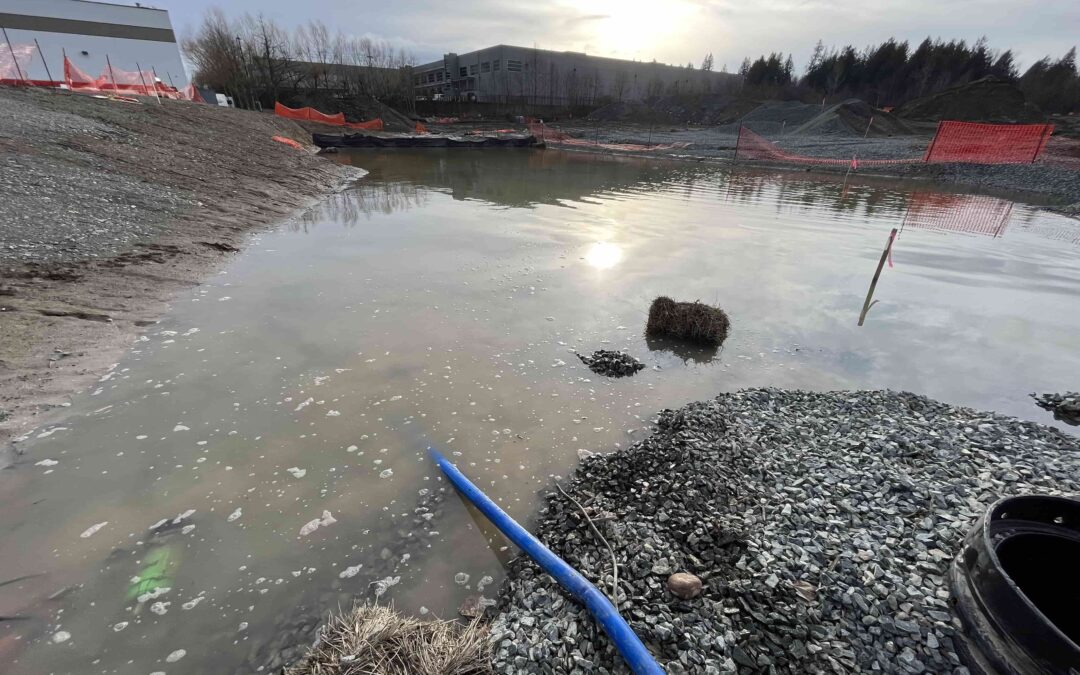
Key Takeaways TigerFloc delivers fast, natural water treatment in remote areas, dropping turbidity from roughly 500 NTU to 8 NTU in minutes. Portable, field-deployable kits help remote sites meet discharge standards and reduce costly downtime. The mineral-based...
7 Aug, 2026 | Water Treatment
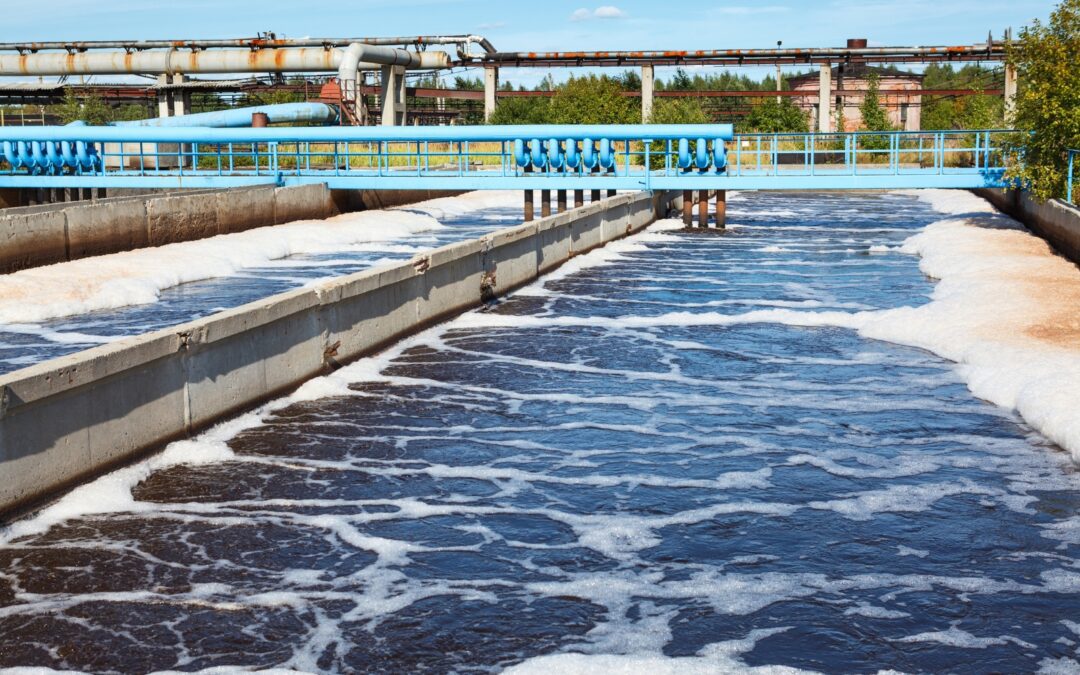
Key Takeaways On active job sites, water efficiency starts with treating sediment-laden runoff as a reusable resource rather than a single-use expense. Clarified site water can be reused for non-potable tasks such as dust control, compaction, and equipment cleaning,...
29 Jul, 2026 | Water Treatment
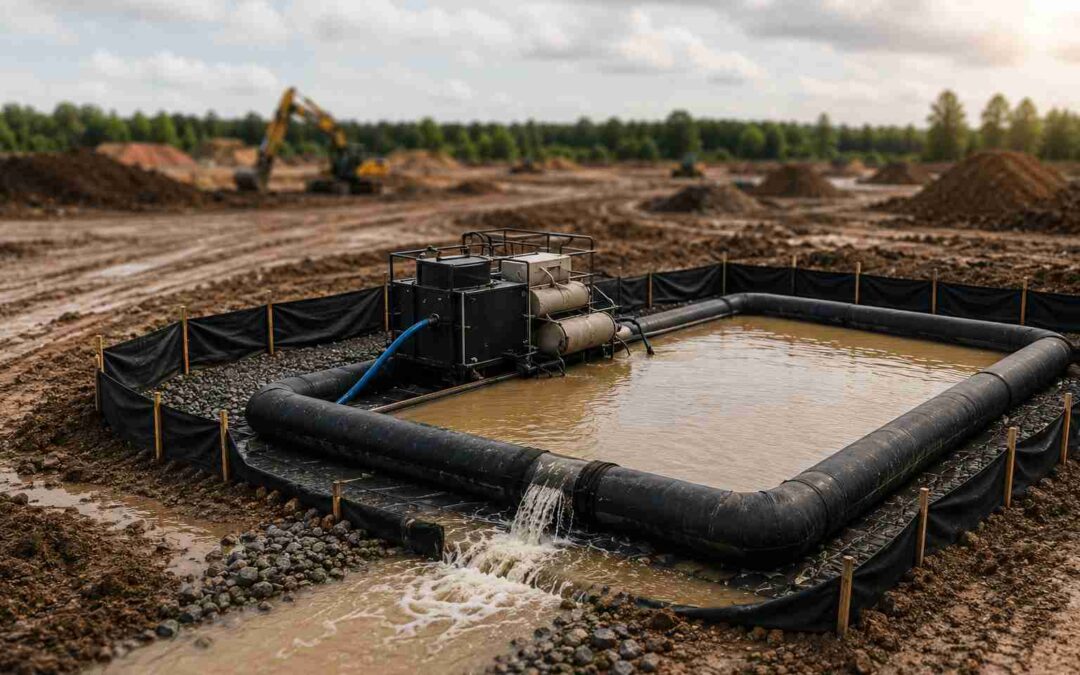
Key Takeaways Peak construction and industrial activity drives sharp spikes in water demand, and trucking in fresh water raises both cost and scheduling risk. Sediment-laden site water can be clarified and reused for non-potable tasks such as dust control, compaction,...
24 Jun, 2026 | Water Treatment
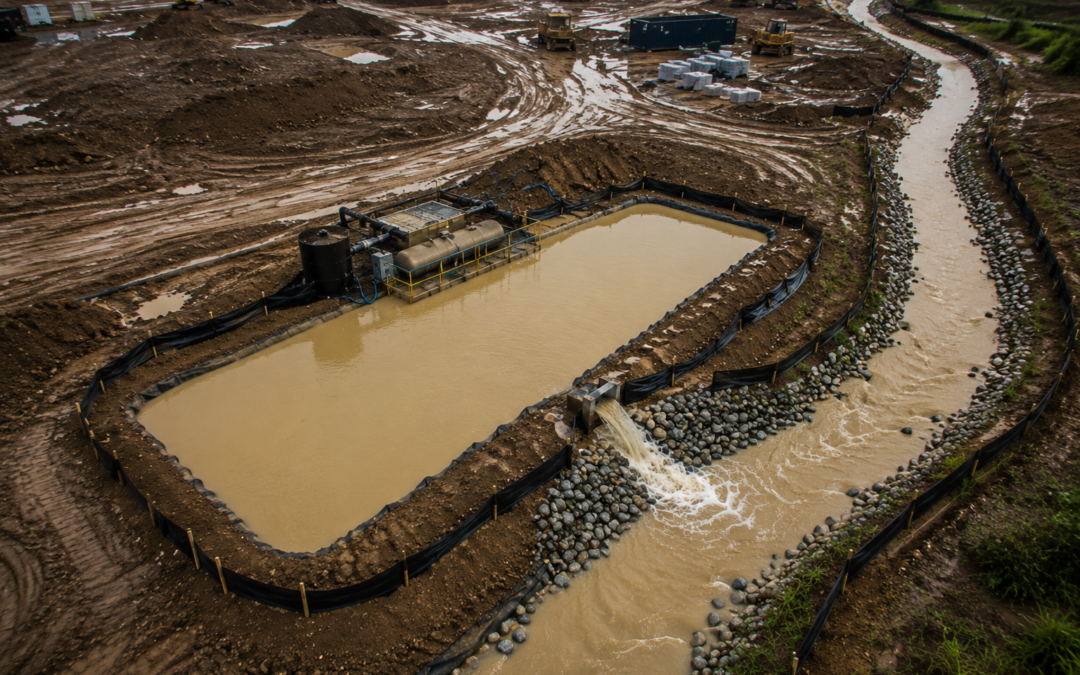
Construction and infrastructure projects generate significant volumes of turbid water throughout their lifecycle. From site clearing and excavation to trenching and utility installation, disturbed soil and runoff create ongoing sediment control challenges. At the same...
4 Jun, 2026 | Water Treatment
Wet seasons introduce a new level of complexity to construction site water management. Increased rainfall, saturated soils, and fluctuating groundwater levels can rapidly generate large volumes of turbid runoff. Even well-prepared sites can struggle to maintain...
24 May, 2026 | Water Treatment
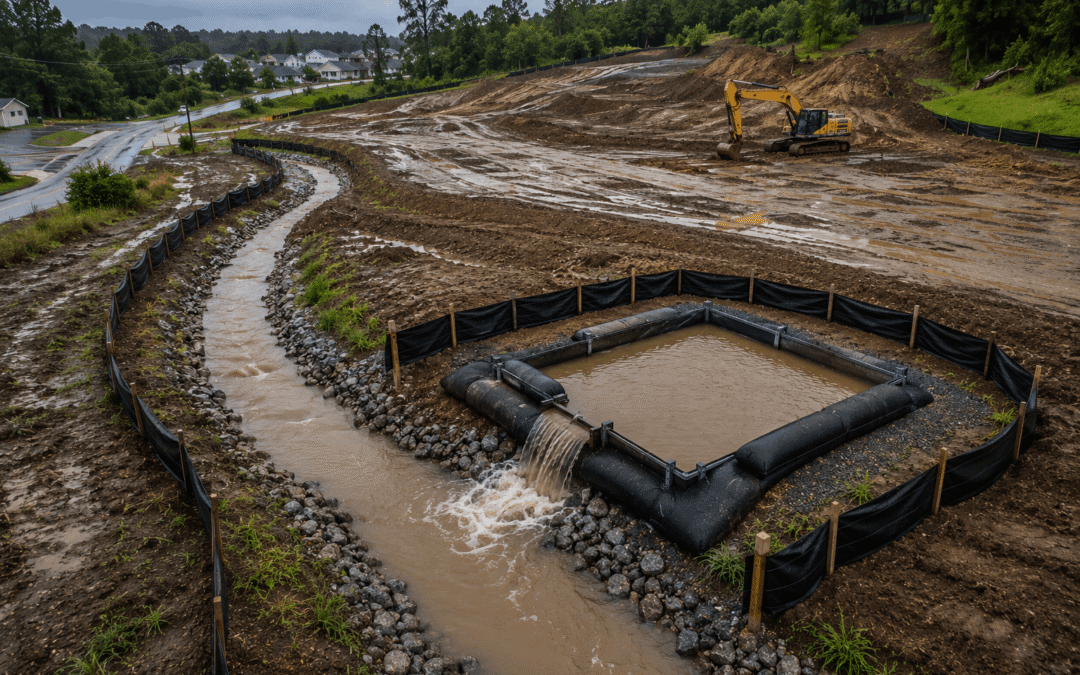
Peak earthworks combined with seasonal rainfall create some of the most challenging conditions for construction site water management. Excavation, grading, and soil movement significantly increase the amount of exposed sediment, while heavy rain rapidly transports...