
In This Guide
Key Takeaways:
- Start by checking where your water comes from, what sediment it carries, how fast you’ll pump, and where the water will go.
- Let heavier particles settle first. If fine silt or clay stays suspended, add flocculation or filtration if your project allows it.
- Check the treated water against your project requirements before discharge or reuse, and keep the system maintained.
When you pump water from an excavation, trench, or construction area, it may carry soil particles that make it cloudy. Turbidity treatment helps remove or settle those particles before the water is reused or discharged. The right turbidity treatment approach depends on the soil, water quality, pumping rate, site layout, and applicable discharge requirements.
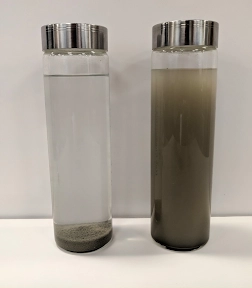
How is turbidity treated during construction site dewatering?
Turbidity treatment setup depends on the water, soil, pumping rate, and discharge requirements. Some sites need only settling or filtration. Water with fine silt or clay may need flocculation too.
Before choosing a setup, checking the water and project requirements is vital.
1. Check the water and discharge requirements
Identify where the water comes from and where you plan to send it. For example, if you pump water from a clay-rich utility trench and plan to send it to a storm drain, confirm that the discharge is allowed before you start pumping.
Next, check for visible sediment, oil, unusual colour, or other signs of contamination. These clues can point to pollutants that need separate testing or treatment.
Turbidity treatment mainly targets suspended particles such as soil, silt, clay, and other fine sediment. It may also capture pollutants that are attached to those particles. It does not reliably remove dissolved substances, such as salts, nitrate, or dissolved metals, and may not remove oil or fuel. Those pollutants may need separate testing and treatment.
REMINDER: Review your permit and local requirements before you discharge water. They may specify turbidity treatment, sampling, or discharge limits. If you are unsure what the water contains, ask an environmental consultant or an environmental engineer with water-quality experience about testing.
2. Keep extra sediment out of the water
Reduce the amount of soil that enters the water you need to pump. This lowers the sediment load, so your settling or filtration system has less material to capture.
You can limit sediment entering the water by:
- Diverting clean runoff. Use a temporary berm or shallow channel to route rainwater around the excavation. This keeps it from picking up loose soil and adding to the water you need to treat.
- Protecting exposed soil and stockpiles. Cover inactive soil piles before rain. Place a silt fence or berm along the downhill edge to catch sediment before it reaches the excavation or pump area.
- Keeping the pump intake above settled sediment. Place it above the bottom of the excavation when site conditions allow. This helps prevent the pump from stirring up and drawing in sediment that has already settled.
These steps can reduce the sediment load in your dewatering water. EPA recommends using site controls to limit sediment entering dewatering operations.
3. Let heavier particles settle
Send the water to a settling basin or tank before further treatment. As the water slows, heavier particles, such as sand and coarse silt, can sink to the bottom. For this step to work well, the unit needs enough capacity for your expected flow and volume. If water passes through too quickly, particles may leave before they settle.
Also, check the inlet and outlet to make sure water does not flow straight through. A direct path can let water leave before heavier particles have time to settle, carrying sediment out of the basin or tank.
Over time, accumulated sediment takes up settling space. Remove it so the basin or tank can hold incoming water and allow particles to settle. Even after settling, fine clay may stay suspended. If it does, you may need filtration or flocculation next.
4. Add flocculant if fine particles stay suspended
Fine silt and clay particles are very small, so they can stay suspended in moving water instead of sinking to the bottom. A flocculant helps these particles join into larger clumps, called flocs. The flocs can then settle or be captured by a suitable filter.
Test a sample of your site water before choosing a turbidity treatment product or dose. A jar test shows how the water responds before you plan a full-scale setup.
For example, Floc Systems provides a free sample and jar-test guidance for qualified large projects. Your team can test TigerFloc with site water and use the results to plan the turbidity treatment setup.
Once testing helps identify a suitable product and starting dose, follow the product instructions and make sure the water mixes with the flocculant. Too little may not form useful flocs. Too much may also reduce turbidity treatment performance. Results depend on the water and setup, so check the treated water against your project requirements.
5. Filter and capture the solids
After settling or flocculation, use a filter if your setup needs to capture particles that remain in the water. Choose the filter based on the type and amount of solids, the flow rate, and the turbidity treatment equipment:
- Filter bags can capture sediment and flocs in pumped dewatering water.
- Sand or other media filters can capture finer particles after heavier solids have settled.
- Cartridge filters may be used as a final polishing step in systems designed for them. Heavy sediment can clog a cartridge quickly, so check the manufacturer’s flow and solids limits.
Next, place the filter outlet where the flow will not erode soil or carry sediment into a drain or waterway. For example, where allowed, direct the outlet onto a stable, protected surface such as a stone pad or well-vegetated area. Avoid pointing it at bare soil or down a steep slope.
To keep the filter working, check the bag and connections during pumping. Look for tears, loose fittings, leaks, sediment escaping around the filter, or a drop in flow. A clogged filter can slow the pump and may increase pressure in the line. A damaged bag or loose connection can let untreated water bypass the filter.
Clean or replace the filter as the manufacturer directs. If you find a leak, damage, or sediment passing through, stop or adjust pumping while you fix the problem. A clogged, damaged, or overloaded filter may slow the flow or let solids pass through.
6. Check the treated water and maintain the setup
As you pump, keep an eye on the treated water. Your project plan or permit should tell you where and how often to take samples, which measure to use, and how to report the results.
For example, Surrey, British Columbia, says construction sites cannot discharge water with more than 75 mg/L of TSS above background levels. TSS and turbidity are different measures, so you cannot compare this limit directly with a turbidity reading in NTU. Check the requirements for your site and discharge location.
If the water still looks cloudy or a result exceeds the project requirement, take a closer look at your setup and follow the required corrective steps. You may need to give particles more time to settle, change the filter, or adjust the flocculant dose. Seek experts guidance when needed. An environmental consultant or water-quality professional can advise on sampling and water quality. Ask the permit authority about permit conditions.
Finally, keep any records your plan or permit requires. Track readings, inspections, and treatment changes. These notes help you track how the system is working and document any fixes. Remove and manage captured sediment according to local requirements, too, so it does not wash back into site runoff.
What should you consider when choosing a turbidity treatment setup?
The right setup depends on your water and site conditions. Before choosing a method, consider:
- Soil type: Sand and coarse silt settle more easily than fine clay. This affects whether settling alone may work or whether you need filtration or flocculation.
- Water quality: Turbidity shows how cloudy the water is, but other pollutants may need separate testing and treatment.
- Pumping rate and total volume: Your system needs enough capacity for the amount of water you will pump. If water flows through too quickly, particles may not have time to settle.
- Available space: Tanks, basins, filters, and solids storage all take room. Leave space to reach the equipment for inspection and maintenance.
- Maintenance needs: Filters can clog, and tanks or basins can fill with sediment. Plan who will check the system and remove or replace solids and filters.
- Where the water will go: Water you plan to reuse, discharge, or haul away may need different turbidity treatment and checks.
- Permit and local requirements: These may set discharge limits, sampling rules, and required treatment steps. Check them before choosing or using a turbidity treatment product.
A representative water sample and jar test can show how the water responds to a flocculant and help guide product selection and dosage. Since a small sample cannot capture every field condition, keep monitoring the treatment system and follow your project requirements.
How TigerFloc’s turbidity treatment reduced turbidity from 100 NTU to 7 NTU
In a Fraser Valley project, a client used two TigerFloc flocculant belts and a dewatering bag. This dropped the water’s turbidity from 100 NTU to 7 NTU before it flowed toward a fish-bearing watercourse.
In this setup, a pump moves turbid water through a TigerFloc Tube that holds two flocculant belts. As the water passes the belts, the flocculant mixes into the flow and helps fine suspended particles join into larger clumps, called flocs.
Then, the treated water flows into a dewatering bag. The bag lets water drain while helping hold back the flocs and sediment.
0 Comments